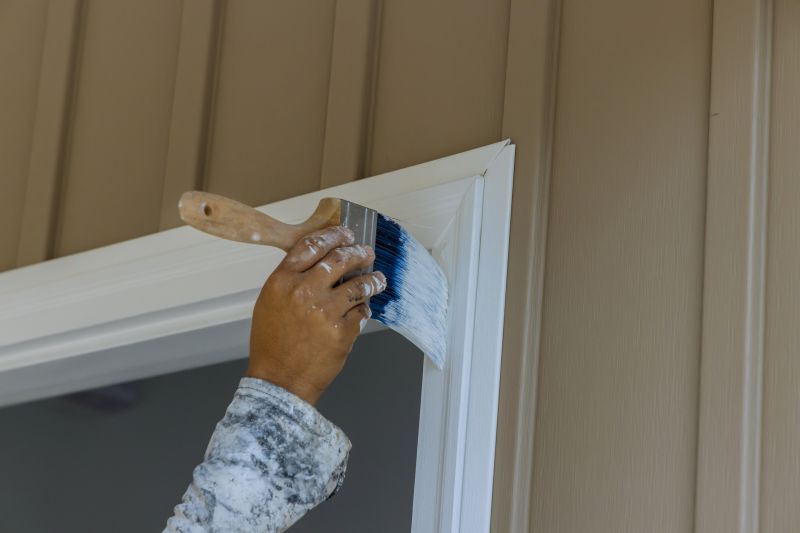
Interior Trim Staining in Wilmington, NC
Interior trim staining services involve applying a durable stain to woodwork such as baseboards, crown molding, door and window casings, and wainscoting to enhance their appearance and protect the material. This process can be used to refresh existing wood features or to match new trim with existing finishes, making it a popular choice for homeowners looking to update the look of interior spaces. Projects typically include staining trim in living rooms, hallways, bedrooms, or any area where woodwork is a prominent design element, helping to achieve a cohesive and polished interior aesthetic.
Before requesting interior trim staining, property owners often want to understand the range of stain colors and finishes available, as well as how the process might impact the existing decor. It’s also helpful to consider the condition of the wood surface, as repairs or preparation may be necessary to ensure a smooth, even finish. Clarifying the desired look-whether a natural wood appearance or a more tinted, colored finish-can help achieve the best results for the specific style of the home.
Many property owners in Wilmington, NC look into Interior Trim Staining for repairs, replacements, upgrades, and appearance-related improvements.
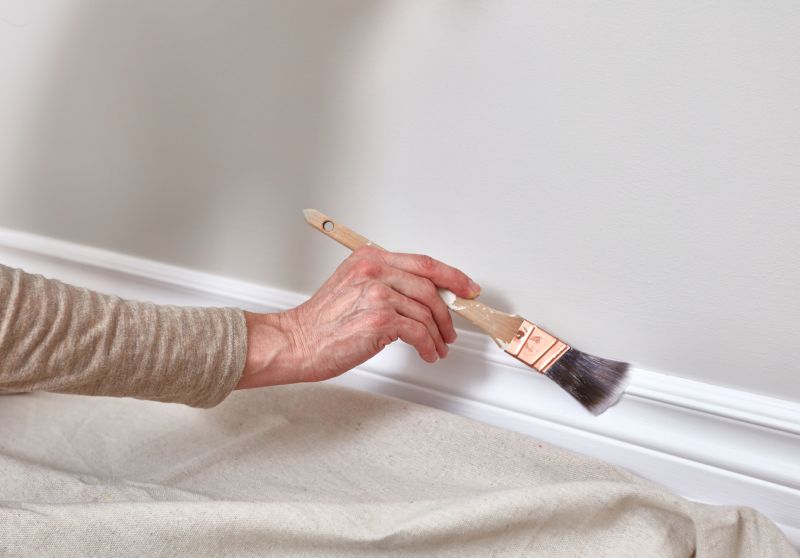
Enhancing Interior Woodwork
Interior trim staining can refresh and elevate the appearance of moldings, baseboards, and door frames throughout wilmington homes.
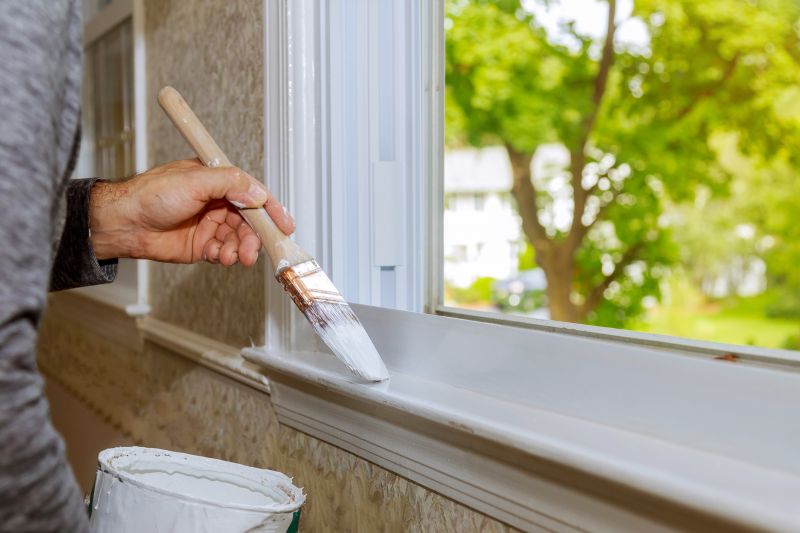
Custom Color Finishes
Property owners often choose staining to add warmth and character to interior wood surfaces, matching various decor styles.
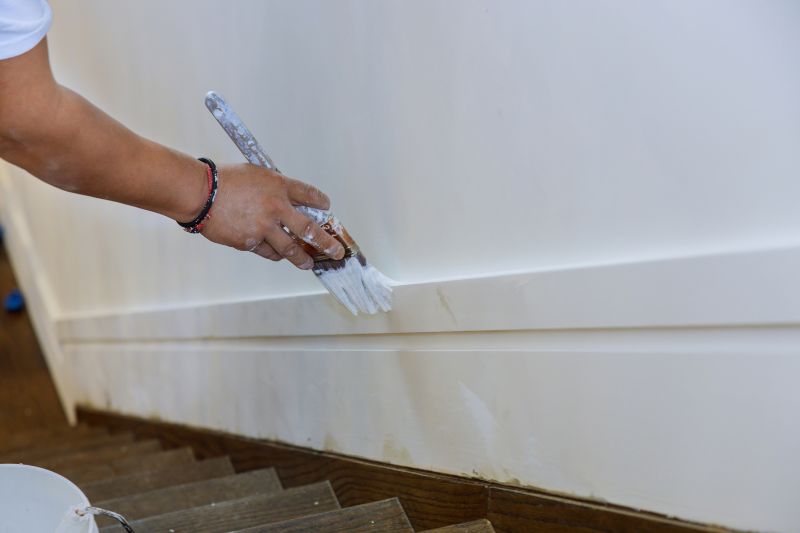
Protecting And Preserving Wood
Staining helps protect interior trim from wear and moisture, extending its beauty and lifespan in residential spaces.
Interior Trim Staining in Wilmington, NC
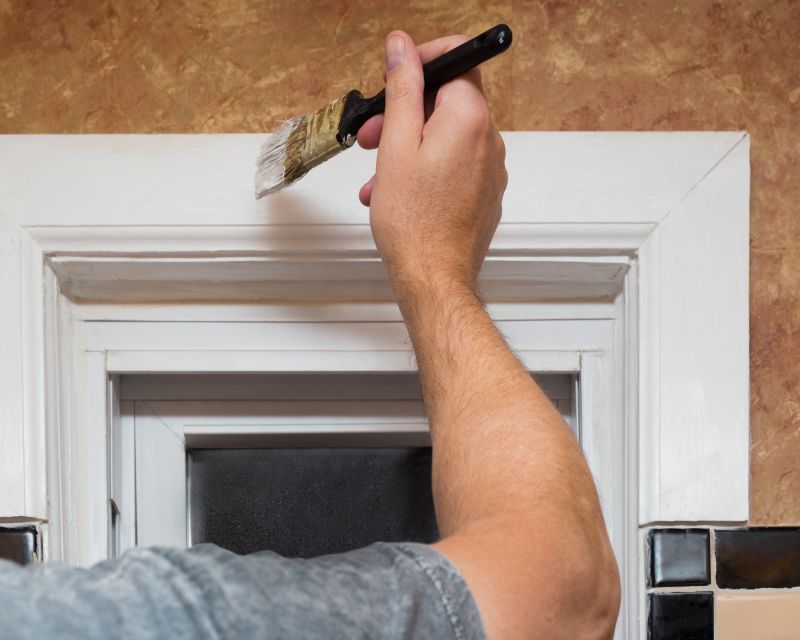
Interior trim staining services involve applying a durable stain to woodwork such as baseboards, crown molding, door and window casings, and wainscoting to enhance their appearance and protect the material. This process can be used to refresh existing wood features or to match new trim with existing finishes, making it a popular choice for homeowners looking to update the look of interior spaces. Projects typically include staining trim in living rooms, hallways, bedrooms, or any area where woodwork is a prominent design element, helping to achieve a cohesive and polished interior aesthetic.
Before requesting interior trim staining, property owners often want to understand the range of stain colors and finishes available, as well as how the process might impact the existing decor. It’s also helpful to consider the condition of the wood surface, as repairs or preparation may be necessary to ensure a smooth, even finish. Clarifying the desired look-whether a natural wood appearance or a more tinted, colored finish-can help achieve the best results for the specific style of the home.
Many property owners in Wilmington, NC look into Interior Trim Staining for repairs, replacements, upgrades, and appearance-related improvements.
Common Interior Trim Staining Jobs
Interior trim staining - enhances the appearance of woodwork and moldings throughout the home.
Door and window casings - refreshes or changes the color of interior door and window frames.
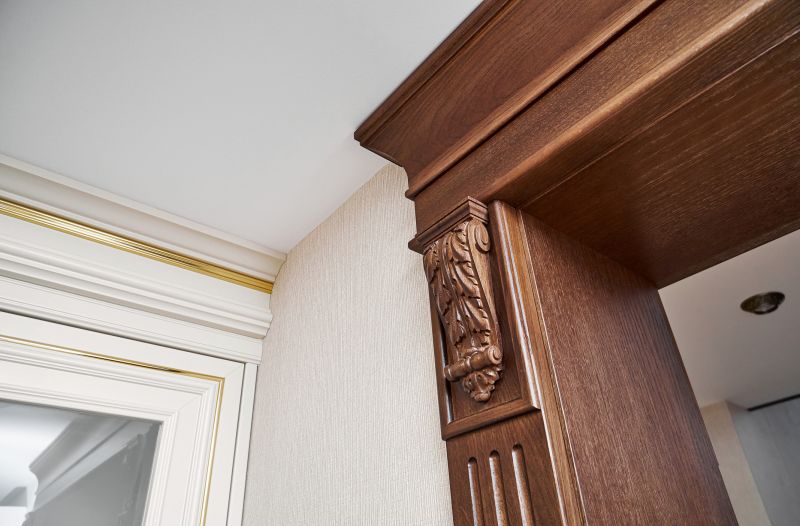
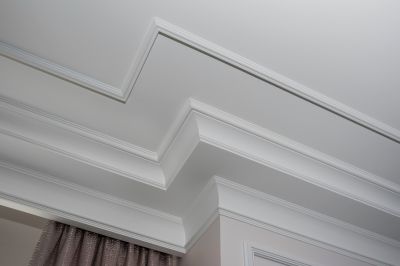
Crown molding - restores or customizes decorative trim in living areas and hallways.
Baseboards and wainscoting - provides a polished finish to wall trim and decorative panels.
Built-in cabinetry - updates wood surfaces with a stained finish to match interior decor.
Custom woodwork - improves the look of handcrafted or unique interior wood features.
Interior Trim Staining Questions
What types of interior trim can be stained? Interior trim such as baseboards, crown molding, door casings, and window frames can be stained to enhance their appearance and match existing decor.
Is staining suitable for all wood types? Staining works best on hardwoods like oak, maple, and cherry, but can also be applied to certain softwoods with proper preparation.
How does staining affect the appearance of interior trim? Staining can highlight the natural grain of the wood and add richness or color, giving the trim a refreshed and polished look.
Can stained trim be painted later if needed? Yes, stained trim can be painted over if a different finish is desired in the future. Proper preparation ensures good adhesion of paint over stain.
Request Interior Trim Staining in Wilmington, NC
Use the quote form on this page to share the basics of your project and request more information for the type of work you need.